Understand your onboard systems.
Power, water, heating and ventilation work together. Start with the right manuals and safe observations, then take a clear fault record to the appropriate professional.
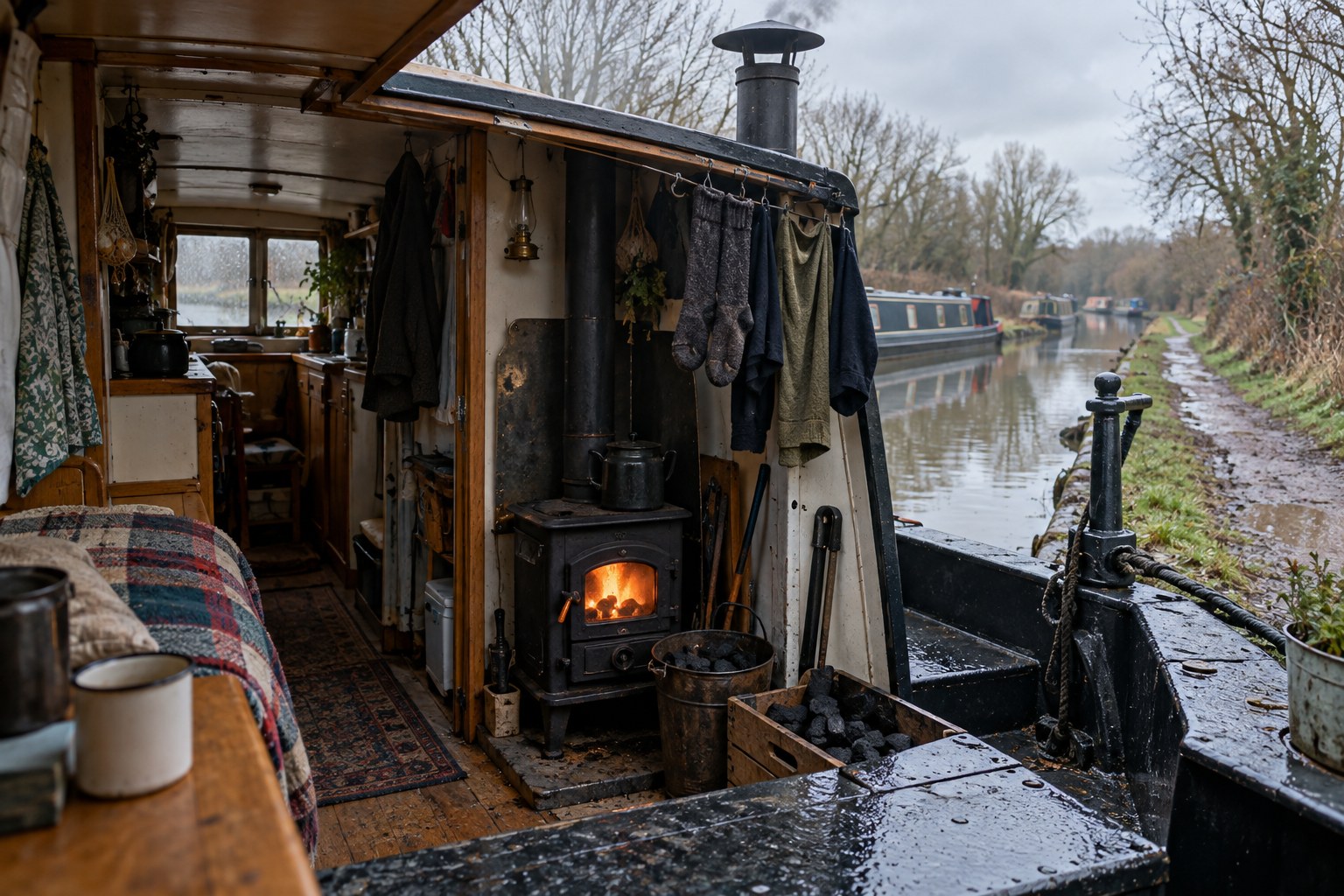
Identify the installation first.
These owner observations apply to UK narrowboats, widebeams, barges and inland cruisers with the relevant equipment fitted. They help you identify a question or a change; they do not diagnose faults or provide electrical, fuel, gas or heating repair instructions.
Record model numbers, system diagrams if available, battery chemistry, service dates and the normal operating behaviour described in the manuals. Boat modifications can make an old diagram or a previous owner's advice inaccurate. Where the installation is uncertain, arrange a competent inspection.
Inland Boat editorial guide. Sources reviewed . General observations below are editorial interpretation, not results of tests on your boat.
What to observe, and where to stop.
Batteries and charging
Identify battery chemistry and record the charger and battery model numbers. From a safe position, look for case damage, corrosion, unusual heat or a change in normal charging behaviour. Compare readings with the equipment instructions, not a single generic voltage chart.
Professional boundary: A competent marine electrical professional should investigate swelling, overheating, repeated charge faults, damaged terminals or proposed battery changes. Do not open batteries, bridge terminals or alter high-current connections. Lithium and lead-acid arrangements are not interchangeable.
Shore power, inverter and solar
Review the manuals and inspection or service records. Look for visible cable and connector damage without touching live parts. Note what power sources are connected and which systems remain energised when equipment appears switched off.
Professional boundary: Damaged mains cables, wet connectors, repeated trips or changes to protection, wiring or inverter installation need an appropriately competent marine electrician. Solar equipment can remain energised in daylight. Do not open equipment or bypass a protective device.
Domestic water
Locate the tank, pump, calorifier and their instructions. Record unusual pump cycling, visible leaks, changing water quality or frost damage. Plan cleaning and recommissioning for the actual tank material and equipment.
Professional boundary: Pressure, temperature, electrical or heating faults need a suitable professional. Use only products approved for the relevant drinking-water system; engine coolant is not domestic-water frost protection. Do not dismantle hot or pressurised equipment.
Stoves, heaters and flues
Keep the appliance handbook and service record. Look for damaged flues, staining, loose-looking parts or blocked permanent vents from safe access points. Test carbon monoxide alarms only with their specified test procedure.
Professional boundary: Fuel, combustion and flue work belongs with a professional competent in that marine appliance. For LPG, check that the engineer's Gas Safe registration covers LPG and boats. Do not continue using an appliance with a suspected exhaust or fuel fault.
Ventilation and alarms
Keep fixed ventilation unobstructed, including during cold weather. Identify each alarm's purpose, service life and test routine. A carbon monoxide alarm and a smoke alarm detect different hazards; neither is proof that appliances are safe.
Professional boundary: Changing ventilation or appliance layouts can change safety requirements. Ask the relevant professional and BSS examiner about the installation rather than sizing vents from a general webpage. A carbon monoxide alarm does not detect leaking LPG.
Bilges and water ingress
Look for unexplained water, oil, fuel or a change in pump activity. Keep accessible drain paths clear where it can be done safely. Follow the pump handbook for testing and record recurring water rather than accepting it as normal.
Professional boundary: Unexpected water can come from hull damage, plumbing, cooling or the stern gland. Persistent or rising water requires prompt investigation. Do not enter a confined or flooded space, disturb a suspected fuel leak or rely on a pump to compensate for an unresolved defect.
Source categories: CRT boat maintenance, CRT Boat Safety Scheme guidance and River Canal Rescue tips and advice. Equipment-specific instructions remain necessary.
A suspected hazard needs immediate action.
If a carbon monoxide alarm sounds, people feel unwell around fuel-burning appliances, or you suspect an LPG leak, move people into fresh air and away from danger. Seek emergency help where needed; call 999 for immediate danger or serious symptoms. Do not remain aboard to diagnose the source.
For damaged mains equipment, smoke, hot or swollen batteries, fuel in the bilge or rapidly rising water, keep people away from the affected area and seek appropriate help. Do not touch wet electrical equipment or operate a suspect installation to test it. Follow emergency-service advice.
A carbon monoxide alarm cannot detect an LPG leak. Permanent ventilation must not be blocked to retain heat. CRT advises that LPG work needs an engineer qualified for both the gas type and the boat installation, not simply someone with a general domestic registration.
Source: CRT: stay gas safe.
Prepare a useful fault record.
Give the professional the equipment model, date, circumstances and what changed. Record any displayed error code exactly. Mention previous work and whether the problem occurs on shore power, engine charging or another source.
Photographs can help when taken safely without exposing live parts, opening equipment or moving into a hazardous space. Keep a copy of the investigation and work report with your boat records.
Separate observation from diagnosis
- Observation: the pump cycles when taps are closed.
- Question: where should the leak or pressure fault be investigated?
- Observation: charging behaviour changed after equipment was fitted.
- Question: is the new equipment compatible with the battery and protection arrangements?
- Observation: there is a new stain near an appliance or flue.
- Action: stop using the suspect appliance and arrange competent assessment.
Put the checks into your routine.
A BSS examination is separate from equipment servicing and daily condition checks. Confirm the requirements for your boat category and navigation authority, and use the applicable manufacturer guidance for routine maintenance.
Sources and scope
- CRT: boat maintenance, including water, propulsion and gas topics.
- CRT: Boat Safety Scheme, for boat-system categories and requirements on CRT waterways.
- Boat Safety Scheme, for current scheme information and examiner guidance.
- River Canal Rescue: tips and advice, including battery, bilge, stove and preventive-maintenance observations.
- CRT: stay gas safe, for marine LPG competence, ventilation and alarm limitations.
Reviewed 7 October 2026. Inland Boat is a guidance publisher, not an engineer, examiner or emergency service. These pages do not certify the condition of a boat.