A practical boat maintenance plan.
Build a routine around your boat's manuals, the changes you can observe and the work that needs an engineer or boatyard.
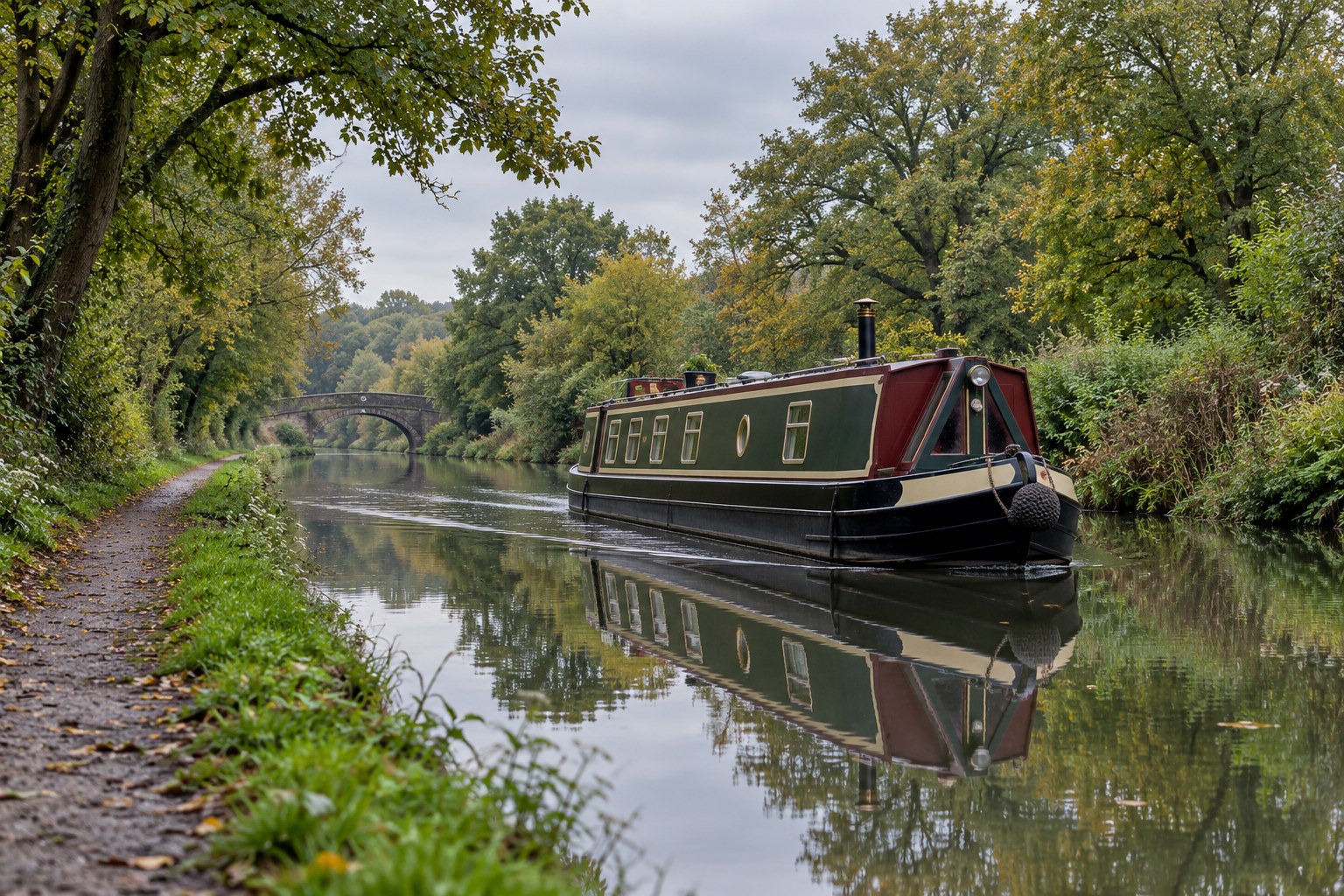
Start with the boat you own.
A useful maintenance plan combines pre-cruise observations, regular visits, manufacturer servicing and specialist hull work. Each item needs a next due date or a clear reason for seeking help.
This guide is for owners of narrowboats, widebeams, barges and inland or river cruisers on UK canals and rivers. It focuses on planning and accessible observations. Engine type, hull material, cooling system, electrical installation and residential use can change the work required.
Collect the engine and appliance model numbers, handbooks, running hours, last service records, hull survey and coating information. Where information is missing, ask the manufacturer, an appropriate engineer or the boatyard rather than guessing.
Inland Boat editorial guide. Sources reviewed . Source guidance is interpreted below; these are not Inland Boat test results or a condition survey.
Four parts of the routine.
Before a cruise
From a safe position, look for new leaks, unexpected bilge water, damaged hoses or loose-looking fittings. Check the fuel available for the journey and the engine fluid levels specified in the handbook. Test alarms and bilge-pump controls using their own instructions.
Check the boundary: Check only with the engine stopped and cool where required. Keep clear of rotating parts, hot surfaces and electrical terminals. A new leak or abnormal level needs an explanation before departure.
During regular visits
Look for changes around drains, accessible cabin seals, mooring lines, bilges and the stern gland. Review battery charging behaviour, the last service date and any running-hour limits in the handbook. Record anything that has changed since the previous visit.
Check the boundary: How often you visit depends on conditions, occupancy and equipment. A boat left unattended needs a suitable checking arrangement; a monthly reminder is not a guarantee that it is safe.
At a planned service
Use the engine maker's calendar and running-hour intervals to book servicing. Ask the engineer to review unresolved observations, cooling arrangements, filters, drive components and any recurring alarms. Keep the parts and work record with the boat's manuals.
Check the boundary: This guide does not specify oil grades, torque settings, belt tension or filter intervals. Those depend on the exact engine and installation.
Before docking or coating work
Gather previous hull surveys, docking dates, coating product details and photographs. Ask the yard about inspection, preparation, compatible coatings, drying conditions and the launch timetable. Arrange an independent condition survey when needed.
Check the boundary: The right plan depends on steel, GRP, timber or other construction and the existing coating. Do not treat a steel narrowboat's blacking routine as a universal schedule.
Based on the categories in CRT's boat maintenance schedule and River Canal Rescue's preventative maintenance guidance. These planning groups do not replace the intervals for your installation.
Hull condition and blacking.
Blacking is a protective coating task for suitable steel hulls. It is not a repair for thinning plate, a substitute for a hull survey or a coating instruction for every boat material.
CRT describes steel boats commonly docking for blacking every two to three years. Treat that as background guidance: coating systems, water conditions, damage and the yard's assessment can require a different timetable.
Questions for the boatyard
- What is the existing coating, and which preparation and replacement system is compatible?
- Which parts of the hull and fittings will be inspected, and is a separate survey required?
- What is the condition and suitability of the anodes?
- What drying or curing period is required before launch?
- Which defects must be repaired before coating, and who will assess them?
Keep a record that leads to action.
Observation
Record the date, running hours where relevant, location of the issue and what changed. A photograph can help an engineer if it can be taken safely.
Decision
Separate checked items from unresolved observations and work requiring professional confirmation. A tick does not certify the whole system.
Work and next due date
Keep the engineer's or yard's report, the products and parts used, and the next date or running-hour threshold from the applicable handbook.
Recurring water in the bilge, a worsening leak, overheating, damaged cables or unexplained changes in fluid levels need investigation. Avoid repeatedly topping up or resetting an alarm without resolving the cause.
When to stop and get help.
Fuel or LPG leaks, exposed or damaged mains equipment, hot or swollen batteries and carbon monoxide alarms are outside a routine owner checklist. Move people to safety and call 999 where there is immediate danger. Do not open fuel systems, work on live electrics or investigate a suspected gas leak using this guide.
Book work with a competent professional for the relevant marine installation. For gas, CRT advises using a Gas Safe registered engineer qualified for both LPG and boats. BSS examination requirements and routine maintenance are separate responsibilities.
Sources and scope
- CRT: boat maintenance and the linked schedule and hull guides.
- River Canal Rescue: tips and advice, including preventative maintenance for narrowboats.
- CRT: stay gas safe.
- CRT: Boat Safety Scheme, for CRT waterways. Other navigation authorities and boat categories may have different requirements.
Reviewed 7 October 2026. Inland Boat publishes guidance; it does not examine boats, certify systems or provide repair services.